Representatives from high-tech companies such as Oracle, Amazon, and Esri joined community humanitarian organizers and academic researchers in energetic and open dialog on topics such as "Unleashing Innovation for Disaster Resilience".
National Aeronautics and Space Administration (NASA)
The AfDB teamed up with the ARC Group to establish the Africa Disaster Risk Financing Programme in 2018. This program enhances African countries’ resilience and response to climate shocks by improving their management of climate disaster risks.
PLOS highlights recent studies published in PLOS ONE including one on an informal settlement in northwestern Colombia and a paper looking at how heat waves affect visitors to the Grand Canyon National Park. The authors give PLOS insights on their work.
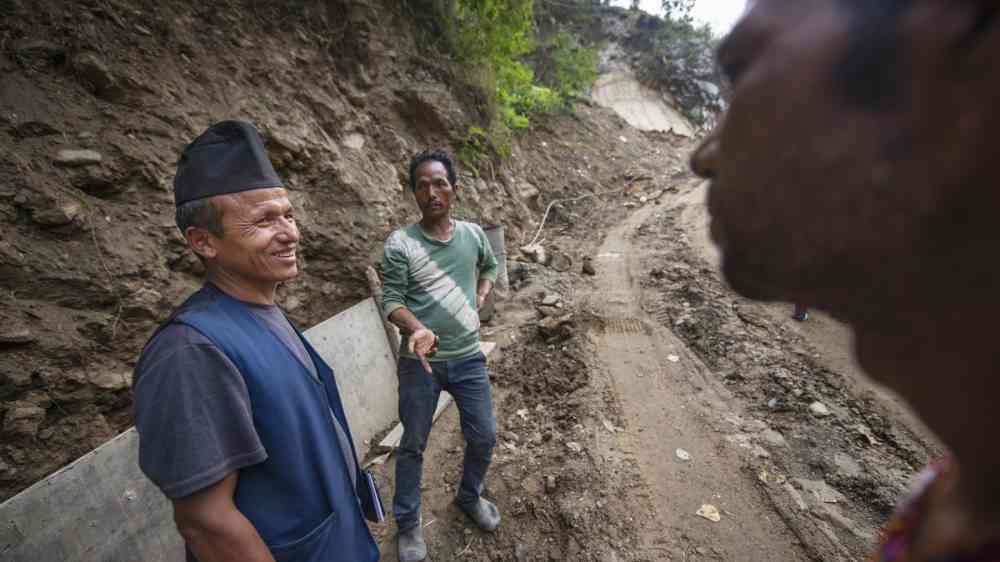
To prepare the local government and community to respond before, during, and after shocks, Bhotekoshi Rural Municipality organised a functional level forecast-based action-shock responsive social protection (FbA-SRSP) simulation in September 2023.
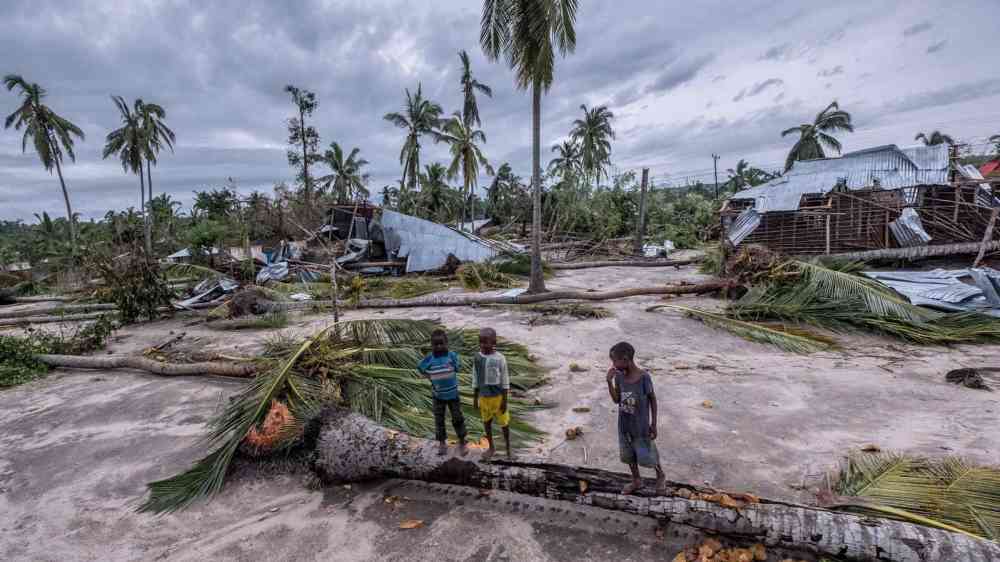
Marking the International Day for Disaster Risk Reduction on Friday, UN chief António Guterres called on countries everywhere to boost resilience and adaptation, to build a safer and more just future for all.
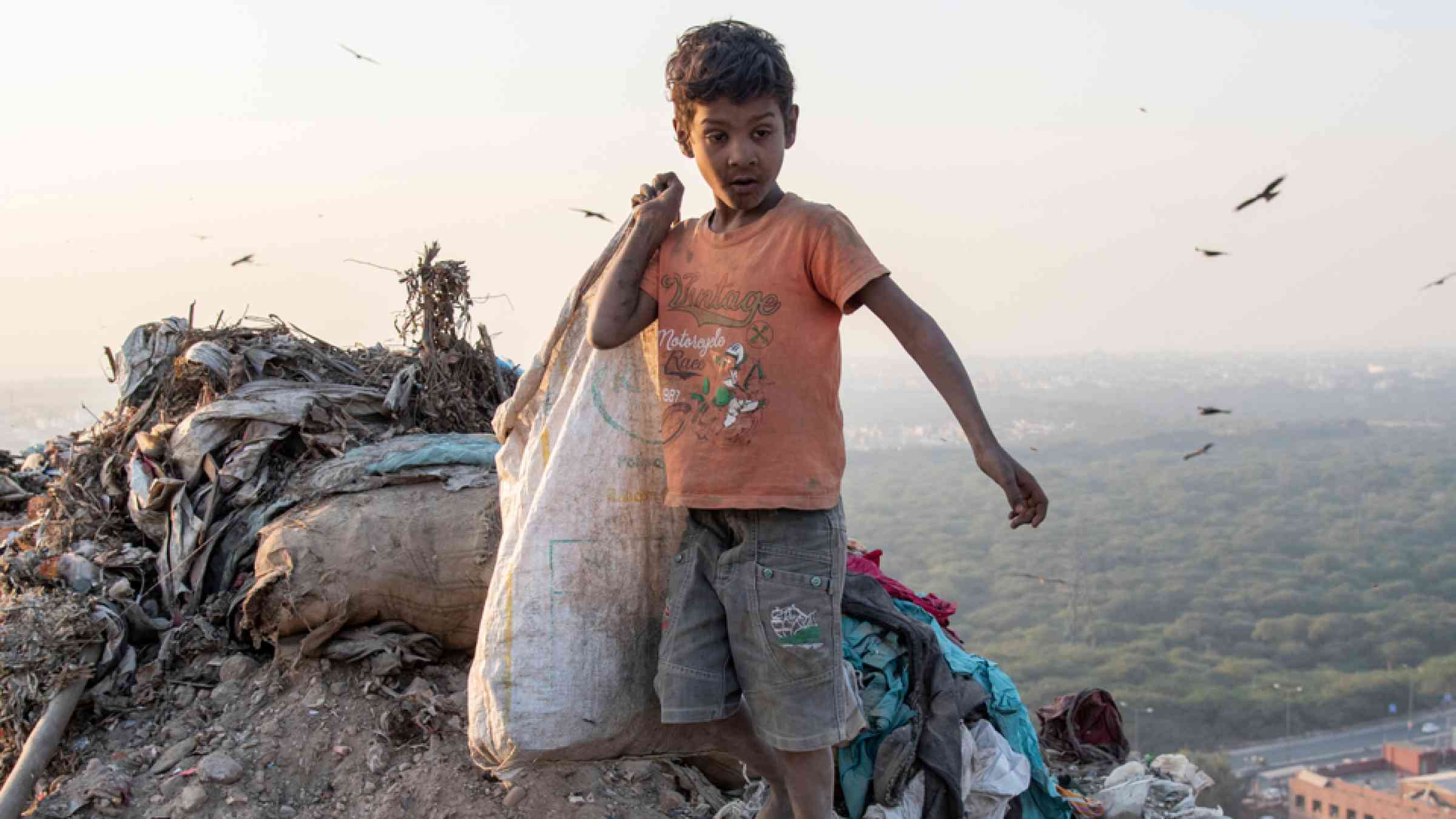
A closer look at the link between inequality, disaster resilience, and the urgent need for equitable solutions, unpacking the complex dynamics at play between inequality and disasters.
A joint initiative of the UN Environment Programme, the World Meteorological Organization and UNDP, seeks to unpack and address financing shortfalls by calling for analysis that highlights gaps and provides financing that leverages more robust outcomes.
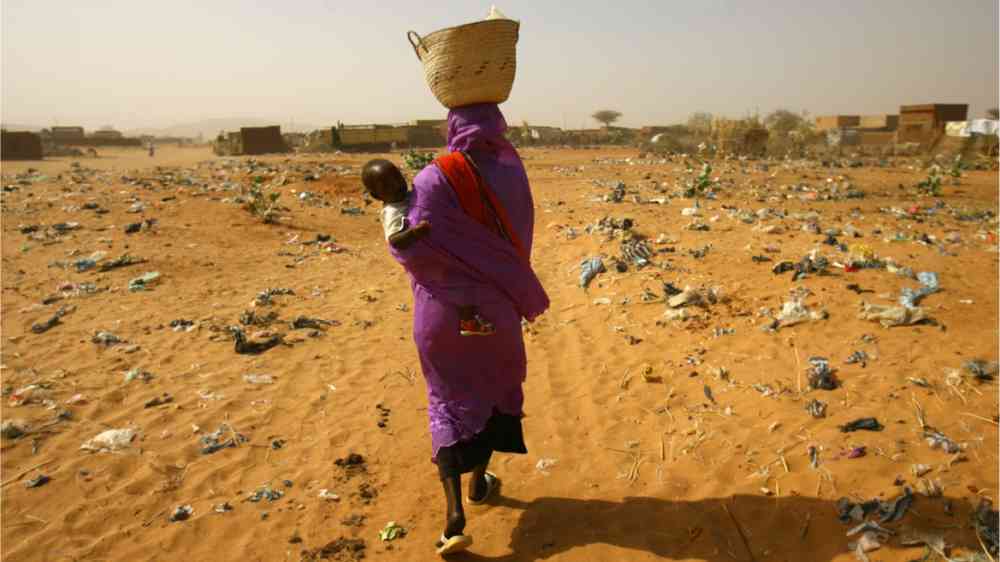
This International Day for Disaster Risk Reduction focuses on communities like Wada’a Sudan struggling with inequality and the climate crisis. To counter water shortages and foster peace, UNEP launched a project to improve water management in the area.