Early warning systems remain among the most effective and cost-efficient methods for reducing disaster-related deaths and losses. As we mark the IDDRR 2025, this blog shows how funding proactive and inclusive resilience pays.
Resilience is one of the smartest investments we can make. Every dollar spent on disaster resilient infrastructure yields between four and $15 in avoided losses.
2024 was the hottest year ever recorded. Temperatures in parts of South and Southeast Asia reached 53°C, and 6 of the 11 global cities that experienced prolonged extreme heat were in this region. It is a glimpse into a future that has already arrived.
The GAR 2025 highlights that direct disaster costs have grown to approximately $202 billion annually, and that the true costs could be over $2.3 trillion, when cascading and ecosystem costs are taken into account.
This year, UNDRR ROAS marked IDDRR through diverse events across the Arab region, emphasizing the pivotal role of education in protecting children and youth from disasters while empowering them to contribute to disaster-resilient communities.
United Nations Office for Disaster Risk Reduction - Regional Office for Arab States
Empowering youth is key to a resilient future. By equipping them with knowledge and skills, we foster leaders who can tackle complex challenges and build safer, sustainable communities worldwide.
United Nations Educational, Scientific and Cultural Organization (UNESCO)
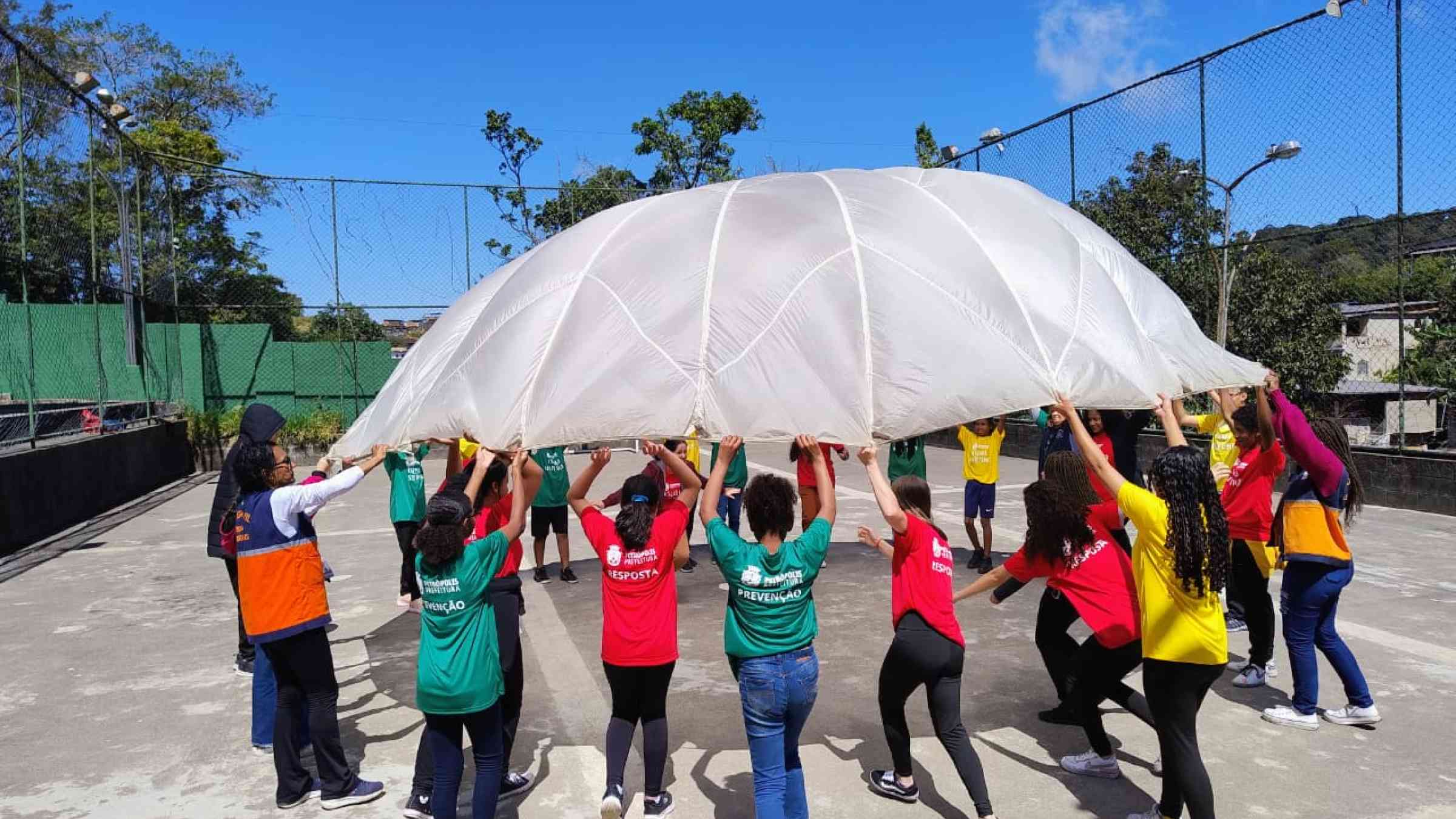
Students in Petrópolis' Resilient Schools lead risk management through safety committees, organizing evacuations and creating risk maps. This initiative empowers over 4,000 participants, fostering resilience and safety in a disaster-prone area.
The focus of this year’s IDDRR is “Substantially enhance international cooperation to developing countries through adequate and sustainable support to complement their national actions for implementation of the present Framework by 2030.”
United Nations Office for Disaster Risk Reduction (UNDRR)