Today, on 13th October 2022, the CADRI Partnership celebrates the International Day for Disaster Risk Reduction which focuses on increasing access to multi-hazard early warning systems and disaster risk information.
It is not enough for an early warning system to correctly identify an incoming hazard, it must also ensure that the populations and sectors that are at risk can receive the alert, understand it, and most importantly, act on it.
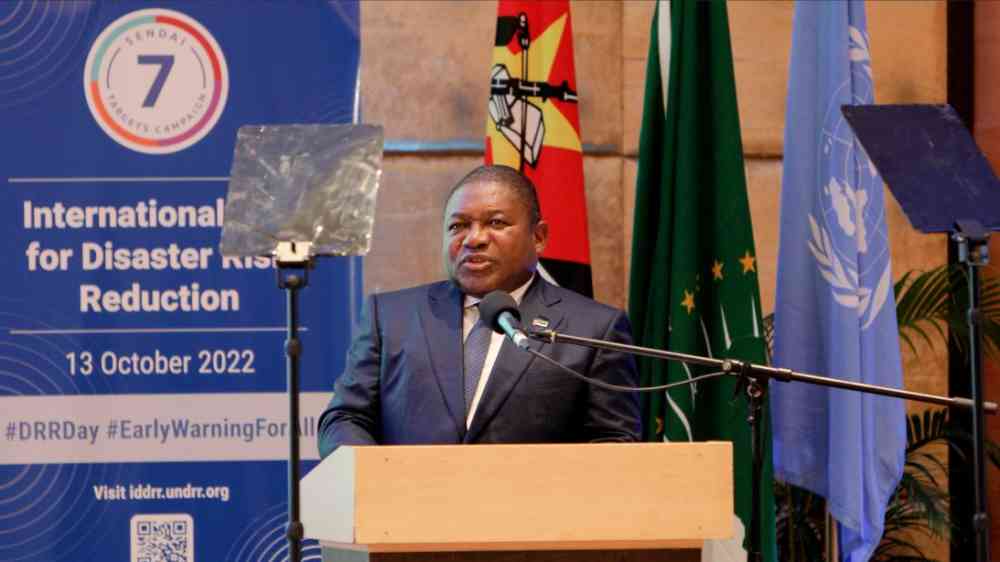
“Extreme weather events do not need to become disasters,” says Mozambique's President Nyusi on International Day for Disaster Risk Reduction, at the launch of a joint UNDRR-WMO publication on multi-hazard early warning systems.
United Nations Office for Disaster Risk Reduction (UNDRR)
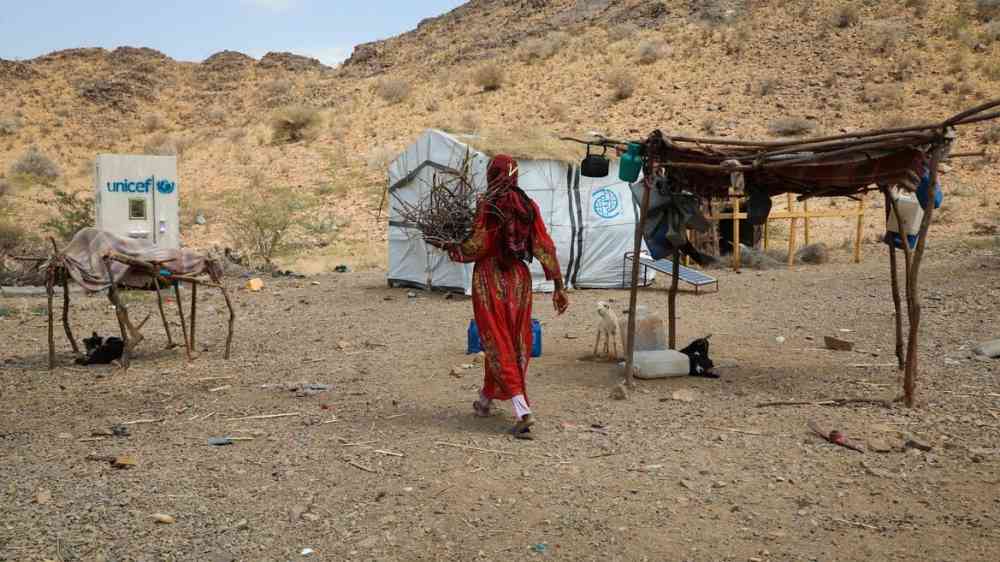
Individuals and communities who are displaced by the impact of conflict situations, such as internally displaced persons (IDPs) and refugees, are often found to be marginalised within their host communities.
The 2022 IDDRR edition is a very special opportunity to enhance understanding of how to overcome these barriers and accelerate efforts toward effective institutional, political and policy changes both at the UN and members-states level.
UN Secretary-General António Guterres urged all countries to achieve 100 per cent coverage of their populations by early warning systems within the next five years.
United Nations Office for Disaster Risk Reduction – Regional Office for the Americas and the Caribbean
In a world beleaguered by rising violent conflict, the climate crisis, deepening mistrust in institutions, and the sharpest drop in human development in decades, we find ourselves confronting a perfect storm of evolving threats and outdated responses.
This year, unprecedented floods have left one-third of Pakistan underwater, people and animals are dying from climate-related droughts in East Africa, and China is experiencing the most severe heat wave ever recorded.