
Resilience is about having more choices when risk arrives
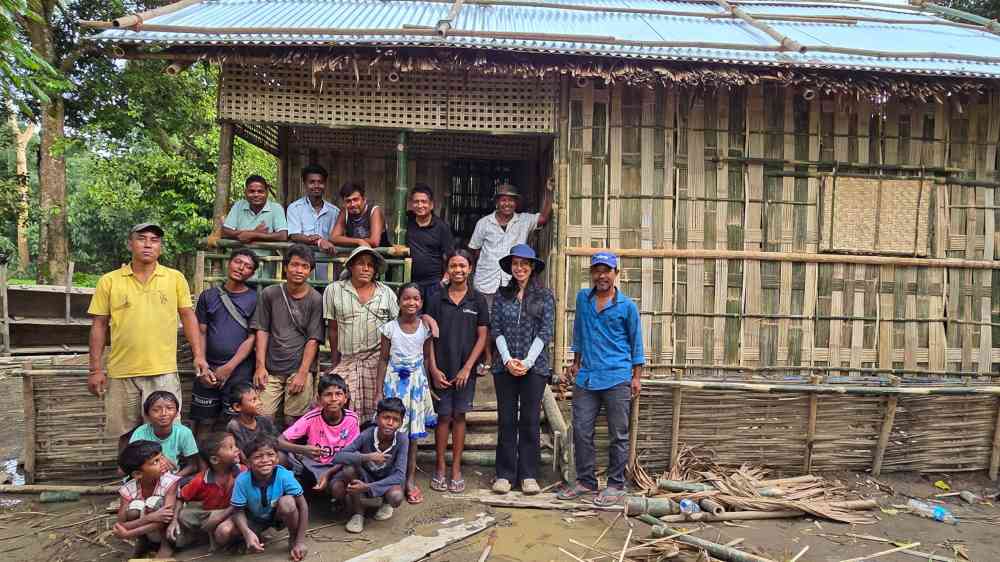
Chang Ghar (Raised plinth houses) in Assam
Across our work, we have seen how communities facing different hazards draw on their local knowledge and experience to understand risk and prepare for its impacts. These experiences have shaped our understanding of what resilience means in practice.
Years of working at Sustainable Environment and Ecological Development Society (SEEDS), alongside communities facing different hazards have shaped a clear understanding of what builds resilience. It is not about eliminating risk, but about strengthening people’s ability to respond to it. That ability is built long before a hazard strikes. It is built through awareness of risk, safer homes, stronger livelihoods, and the knowledge and resources to act. The choices people have when risk occurs reflect how resilient a community has become.
Resilience starts with awareness
The first step is understanding the risk itself.
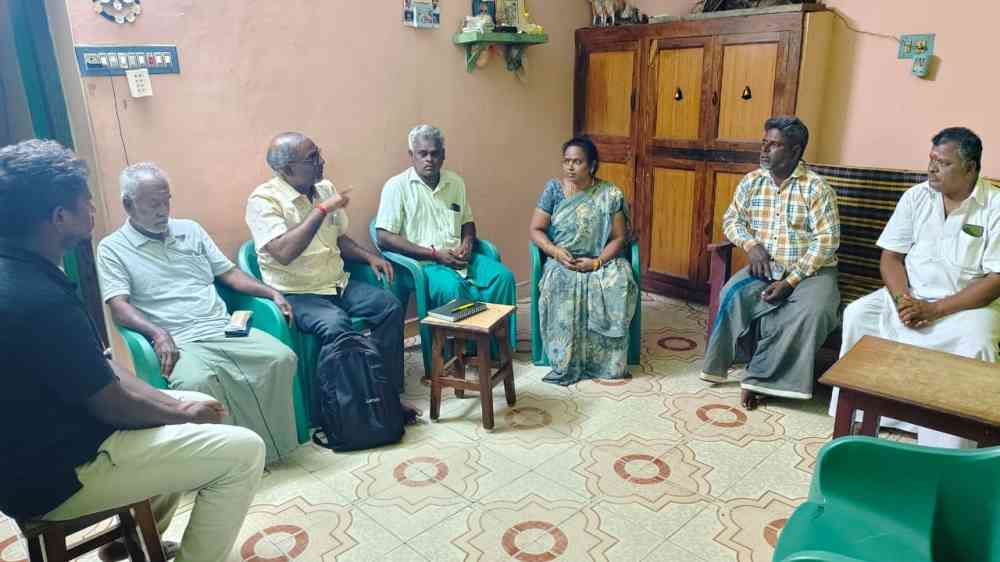
In Cuddalore, Tamil Nadu, we worked with communities to develop Community Risk Registers, bringing together what people know from their own experience with geographic information system (GIS)-based risk mapping. Communities identified the hazards, areas of concern, and the changes they have observed around them.
These registers can help translate local knowledge into practical action. For instance, identifying flood-prone streets and vulnerable households can inform safer evacuation routes, help communities identify accessible shelters, and guide measures to protect essential assets before flooding occurs.
This process reinforced something important for me: technical information can tell us where risk is concentrated, but communities understand how that risk is experienced. Bringing these together makes risk more visible and helps people recognize where action is needed.
Awareness is not about knowing that a hazard exists; it is about understanding what it means for a community and what can be done about it.
Recovery should make homes safer
Understanding risk should shape how we recover.
Following the devastating floods that struck Sivasagar, Assam, in July 2026, many families returned to damaged or destroyed homes and faced the challenge of rebuilding.
Families whose homes had collapsed needed homes they could trust. The response was not simply to replace what had been lost, but to explore how familiar forms of Assamese housing could be made safer against future flooding.
SEEDS developed two flood-resilient shelter prototypes: the Chang Ghar and the Raised Plinth Assamese Ghar. The shelters have been designed by combining Assamese architectural elements with flood-resilience measures. Vernacular materials and local skills remain central, making the homes more affordable and easier to repair.
For me, this is an important part of building resilience. A home is not just a structure. It is where people keep their belongings, earn their livelihoods and rebuild their lives. Making it safer helps secure families against future hazard.
Livelihoods reshape how we build resilience
In the Sundarbans, resilience is closely tied to livelihoods. Men often migrate for work, while women stay back with greater responsibility for their households, livelihoods and local resources. This makes women important custodians of resilience, sustaining households and helping communities manage risk through difficult periods.
Women-led self-help groups are an important part of this. They create additional opportunities through activities like mangrove nurseries while restoring ecosystems that help protect their communities.
SEEDS planted over 120,000 mangrove saplings along 4,000 square metre. of vulnerable streambanks. Under SEEDS’ Restoring life and livelihood of coastal communities in Sundarbans: Reviving nature as solution project, communities in the Sundarbans region of South 24 Parganas, West Bengal, have been supported through nature-based solutions and livelihood interventions. The initiative includes mangrove restoration, mangrove nursery development with women’s Self-Help Groups (SHGs), and community disaster preparedness.
SEEDS’ 2024–25 Annual Report states that livelihood interventions reached more than 6,500 households, while over 430 community members received disaster preparedness training. Women-led SHGs also received training in sustainable enterprises, including mangrove nursery management.
An additional livelihood can help a household meet immediate needs, build savings, and create a financial buffer. These opportunities enable families to make choices when circumstances change.
The experience of communities in the Sundarbans during Cyclone Amphan in 2020 illustrates the potential of combining livelihood support with nature-based solutions. Women involved in mangrove restoration reported that mangroves helped slow incoming waves and reduce flooding around their homes. Mangrove nurseries and restoration activities also created opportunities for women to earn additional income, as described in SEEDS’ account of community-led mangrove restoration and resilience in the Sundarbans.
This is what climate adaptation looks like in practice: strengthening the resources and choices that allow households to manage risk and shape what comes next.
Building resilience means building choices
One connection stands out across these experiences. Resilience strengthens when people understand risk, protect what matters to them and make decisions about what comes next.
In Cuddalore, that begins with awareness of risk. In Assam, it means rebuilding homes to reduce vulnerability. In the Sundarbans, it means strengthening livelihoods to build resilience.
The question we should keep asking is not only how communities can cope when hazards occur, but whether they have more choices when they do.
For me, that is one of the clearest signs that resilience is being built.
Dr. Manu Gupta is Co-Founder of SEEDS India and a Senior Ashoka Fellow, with over three decades of experience in community-led disaster risk reduction, resilience-building, climate adaptation, and humanitarian action across India and Asia. His work focuses on strengthening community-led approaches to disaster preparedness, recovery, and locally led humanitarian response.