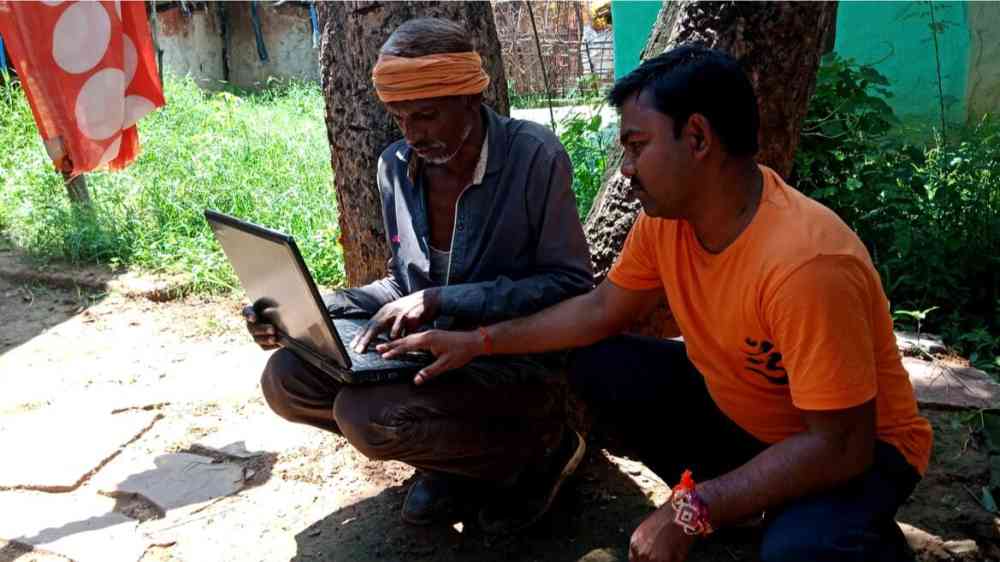
AIDMI marked IDDRR 2025 alongside 200 small business owners from six Indian cities. These communities celebrated their achievements in planning and implementing local adaptation measures against unseasonal rain, heavy downpours, floods, and extreme heat.
The 2025 IDDRR calls for a course correction: “Fund Resilience, Not Disasters.” For governments that make up the Coalition for Disaster Resilient Infrastructure (CDRI), with support from the Secretariat, this is a practical agenda
Early warning systems remain among the most effective and cost-efficient methods for reducing disaster-related deaths and losses. As we mark the IDDRR 2025, this blog shows how funding proactive and inclusive resilience pays.
Resilience is one of the smartest investments we can make. Every dollar spent on disaster resilient infrastructure yields between four and $15 in avoided losses.
2024 was the hottest year ever recorded. Temperatures in parts of South and Southeast Asia reached 53°C, and 6 of the 11 global cities that experienced prolonged extreme heat were in this region. It is a glimpse into a future that has already arrived.
The GAR 2025 highlights that direct disaster costs have grown to approximately $202 billion annually, and that the true costs could be over $2.3 trillion, when cascading and ecosystem costs are taken into account.