Tsunamis are only devastating if people and their livelihoods get in the way, as suggested by the largest tsunami ever recorded only killing five people.
United Nations Office for Disaster Risk Reduction (UNDRR)
Led by the National Focal Point in Ghana, the International Day For Disaster Risk Reduction has been marked in Ghana by the Global Network of Civil Society Organisations for Disaster Reduction on the 13th of October, 2021.
SEI researchers reflect on the role of international cooperation, the challenges faced in the Covid-19 pandemic context and what can be done to ensure developing countries are supported effectively to reduce vulnerability and build resilience.
IOM will implement the new project for a period of 24 months from 2021 to 2023, targeting the disaster-prone states of Khartoum, West Darfur, North Darfur, South Darfur, North Kordofan, Kassala, Gadaref, and Blue Nile.
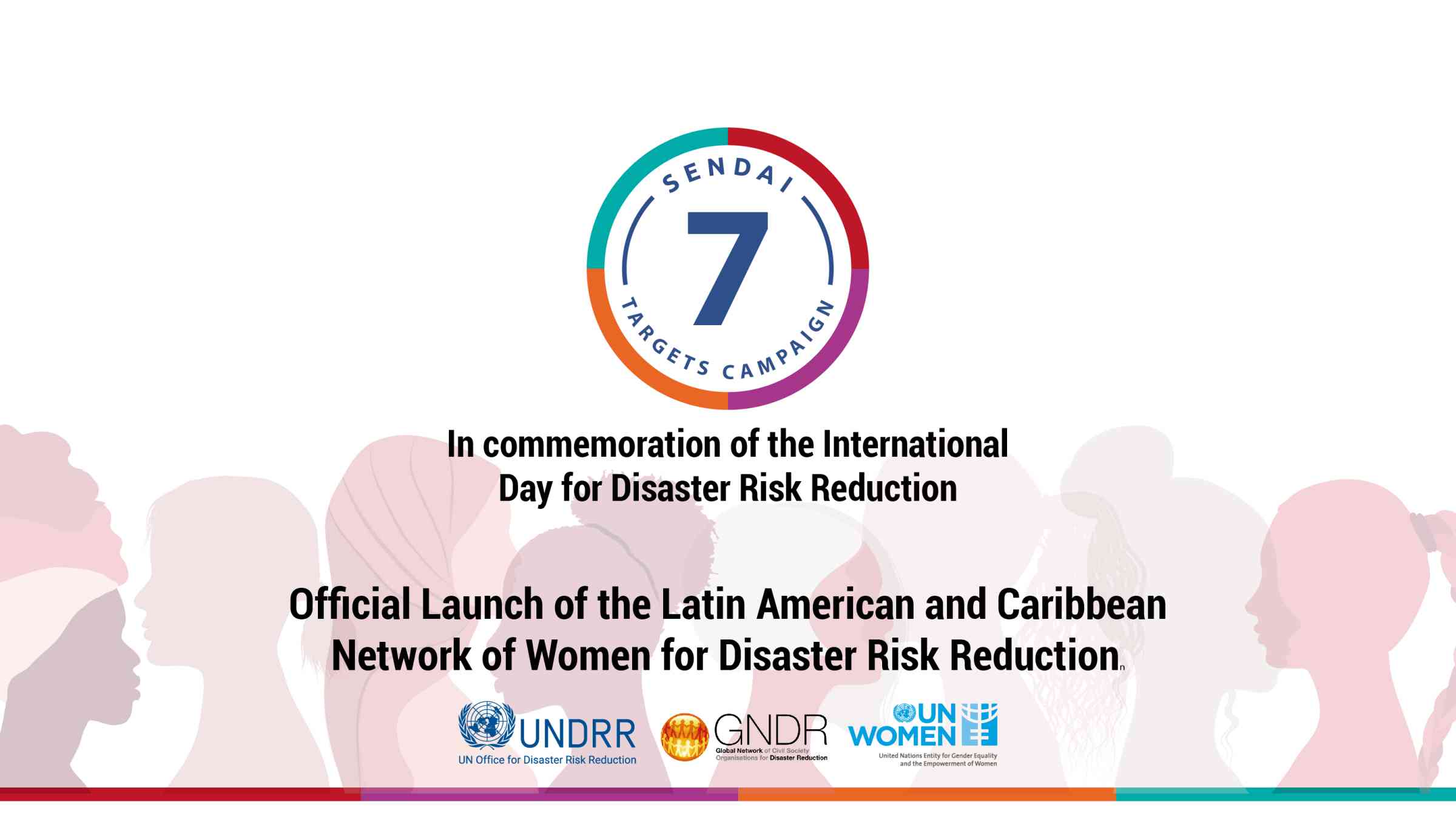
Through the Latin American and Caribbean Network of Women for Disaster Risk Reduction, women and girls will come together to share experiences, ideas and innovative and transformative solutions to the challenges posed by disaster risk.
United Nations Office for Disaster Risk Reduction – Regional Office for the Americas and the Caribbean
Global Network of Civil Society Organisations for Disaster Reduction (GNDR)
United Nations Entity for Gender Equality and the Empowerment of Women (UN WOMEN)
The focus of this year’s IDDRR on 13 October is on a topic which has been pushed to the fore by the debates raging around the faltering response to planetary emergencies such as the COVID-19 pandemic an, the climate emergency.
October 13th marks the International Day for Disaster Risk Reduction – a UN observed day that highlights the importance of international cooperation to reduce disaster risk and save lives.
On the International Day for Disaster Risk Reduction, a look at how communities around the world are using new ways of collecting data to reduce vulnerability to disasters.